Apichatpong Weerasethakul is a Thai filmmaker and artist, born in Bangkok in 1970 and raised in Khon Kaen, in the country’s northeast. He studied architecture before moving to Chicago to learn filmmaking, returned to Thailand, and established Kick the Machine in 1999. He makes features alongside shorts, photographs, installations, and performances, often returning to people with whom he has worked for many years.1, 2, 3
His life has moved between several places and kinds of work: a household of two doctors in Khon Kaen; American art school; early productions made with volunteers and interrupted financing; film sets and exhibitions with a recurring group of friends and colleagues; and a home in Chiang Mai from which he works and travels. International recognition, including the 2010 Palme d’Or, brought opportunities and public demands. Censorship at home brought political involvement and an effort to understand Thailand’s history more fully. These experiences sit alongside less public pleasures and difficulties: reading, keeping notebooks, playing with small cameras, and finding a tolerable pace of life.4, 5, 6, 7, 8, 9
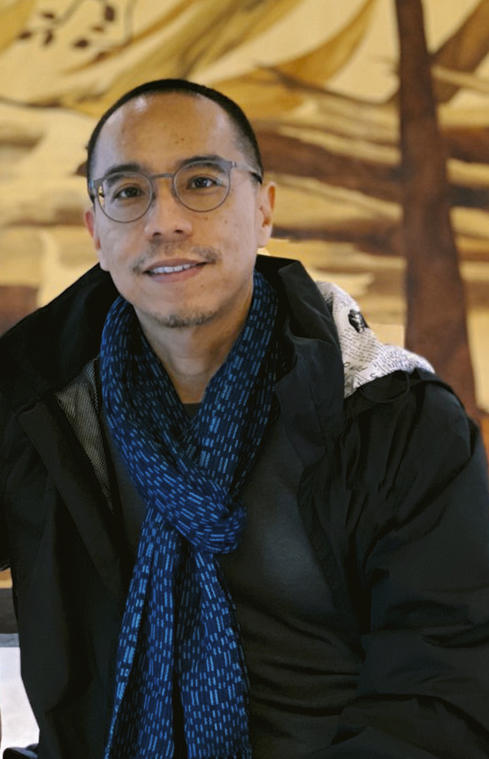
The image could not be loaded. View the original using the source link below.

Chronology: places, people, and work
Dates below refer to documented degrees, work dates, premieres, exhibitions, or announcements. They do not imply that conception, production, and circulation occurred in the same year.
| Period | Development and evidence |
|---|---|
| 1970–early 1990s | Born in Bangkok in 1970; grows up in Khon Kaen with physician parents, hospital life, local cinema, and science fiction as formative surroundings.10, 11 |
| 1994–1998 | Architecture degree at Khon Kaen University in 1994; Chicago study shifts from architecture to filmmaking; SAIC records the MFA in 1998.12, 13 |
| Late 1990s–2000 | Short and experimental work develops alongside the traveling, intermittently financed production of Mysterious Object at Noon; Kick the Machine is founded in 1999 and the first feature completed in 2000.14, 15, 16 |
| 2002–2004 | Blissfully Yours, The Adventure of Iron Pussy, and Tropical Malady establish different registers of collaboration; Cannes awards in 2002 and 2004 widen international access.17, 18 |
| 2006–2008 | Syndromes and a Century is followed by the 2007 censorship dispute and Free Thai Cinema campaign; installation and experimental-festival work continue.19, 20, 21 |
| 2008–2010 | Research in the northeast develops into Primitive and its related shorts, book, and feature; Uncle Boonmee wins the 2010 Palme d’Or.22, 23, 24 |
| 2012–2015 | Mekong Hotel, restoration of the first feature, and Cemetery of Splendour extend work with returning performers while drawing on new technicians and a broad coproduction network.25, 26, 27 |
| 2015–2019 | Fever Room, the touring Serenity of Madness survey, and SLEEPCINEMAHOTEL enlarge the practice into managed performance and exhibition environments; cultural awards provide further institutional support.28, 29, 30, 31, 32 |
| 2021 | Memoria, his first feature shot outside Thailand, premieres; A Minor History opens in Bangkok as Thai political and personal research continues.33, 34 |
| 2022–2025 | Distinct gallery and VR versions of A Conversation with the Sun develop through different collaborators and commissioners; the VR work tours and MCA announces Afterimage.35, 36, 37, 38 |
| 2025–2026 | Fondazione Prada lists Jenjira’s Magnificent Dream at production stage; A Flower of Forgetfulness premieres in Brussels in May 2026. These records establish an active next phase, not a released new feature.39, 40 |
1970–1994: growing up in Khon Kaen
Apichatpong was the eldest of three children. His mother was a pediatrician and his father a general practitioner; they moved from Bangkok to practice in Khon Kaen. He grew up in hospital housing. Medical devices fascinated him: a stethoscope, illuminated magnifier, and occasional microscope made bodily processes audible or visible.41, 42, 43
His family history also extended beyond the northeast. Both grandfathers had come from South China, although he did not know their precise origins; his father was from Nakhon Sawan and his mother from Bangkok. In a 2021 interview he described a Buddhist upbringing that was not especially strict. His parents visited temples to make merit, while medicine occupied much of household life. Asked whether he still considered himself Buddhist, he said he did not, while acknowledging the influence of that upbringing.44
In his recollection of 1970s Khon Kaen, some roads were still dirt and nights were dark enough for a flashlight to become entertainment for him and his friends. Cinema offered a much larger world. Ray Bradbury and Arthur C. Clarke were among his reading interests; E.T. and Raiders of the Lost Ark were especially exciting. He wanted to make films while still in his early teens, but did not yet know how to enter that world.45, 46
His viewing widened through ordinary circulation. He later recalled watching more Thai than Western films and obtaining titles through Bangkok VHS shops. Commercial screenings and video preceded his American experimental-film curriculum.47
He completed an architecture degree at Khon Kaen University in 1994. Architecture combined art and science and offered a backup career; after five years of study, he remained dissatisfied with the film education available in Thailand.48, 49
His university psychology teacher urged realistic goals instead of filmmaking. He wanted to prove her wrong. An SAIC brochure and an open application deadline then helped him choose Chicago.50
1994–2000: Chicago study and a first film in Thailand
He moved to Chicago in 1994. SAIC’s alumni account says he initially continued architecture, took prerequisites to prepare a film portfolio, then left architecture to reapply in film. The institution records his MFA as 1998.51, 52
At SAIC he handled Super 8 and 16 mm celluloid for the first time. He remembers the excitement of a medium made from light and chemistry, and of physically seeing how a length of film corresponded to time on screen. Teachers also made strong impressions. Zack Stiglicz arrived in shorts and a red bandana, a striking departure from the conservative educational world he knew. Shellie Fleming reassured him that there was no single right answer and encouraged him to open up; he also names Daniel Eisenberg with particular respect.53, 54
The museum and screenings around the school widened his interests. He encountered Dada and Surrealism, Iranian and Taiwanese cinema, and Joseph Cornell’s boxes, whose chance arrangements and humor he enjoyed. The short 0116643225059 connected his Chicago roommate and his mother in Thailand by telephone; its title was the family number with international dialing codes. The small work belongs to his life far from home.55, 56
Chicago suited his experiments, but he did not imagine settling there. In his later recollection, he could not find the same connection to its environment that he felt in Thailand. Back in Thailand he set aside the unhelpful experimental label and filmed familiar landscapes and people.57, 58
Mysterious Object at Noon (2000) took him and a small crew on a journey through Thailand. They invited people to continue a story about a teacher and a disabled boy, interweaving the growing tale with the encounters that produced it. The method followed an exquisite corpse, a story game in which successive contributors inherit and alter what others have begun.59
The production developed amid the aftermath of Thailand’s 1997 financial crisis. In David A. Taylor’s later account, Apichatpong described unemployed young people responding to a newspaper advertisement for unpaid help; more than fifty applied. His Walker dialogue recalls north-to-south travel, stopping when money ran out, and filming fictional passages in Bangkok. Rotterdam funding helped it reach the festival circuit.60, 61
Gridthiya Gaweewong and Mingmongkol Sonakul produced the first feature. Sonakul also shared story-editing credit, and Sayombhu Mukdeeprom was among the camera operators. These were early working relationships, formed before the Cannes awards. The film’s credit list preserves their roles in a production whose interrupted financing can otherwise dominate the account.62
The people encountered on the journey were not interchangeable narrators. Their contributions could include performance, personal recollection, or a change to the request. Dennis Lim’s Criterion essay describes the film’s stories as inhabiting and haunting one another. That is a useful reading of the finished work; the production record also shows a young filmmaker learning what happened when he brought a camera and an open-ended invitation into unfamiliar lives.63
Kick the Machine produces his films and supports experimental and independent work. Public credits document its partnerships, but do not give a full account of his ordinary administrative duties or the company’s finances.64
2002–2004: Jenjira, Michael Shaowanasai, and a growing film family
Blissfully Yours (2002), his second feature, follows Min, a Burmese migrant, and the Thai women Roong and Orn through medical appointments, work, and preparations for an afternoon in the forest. The opening credits arrive about thirty-seven minutes into the film, after these errands have occupied substantial screen time. Its transition into an afternoon outdoors is felt against the bodily discomfort and obligations that precede it.65, 66
Jenjira Pongpas became an enduring collaborator through this film. She first brought actors to his office for casting; repeated meetings led to her own lead role. Afterward she continued visiting. He loved her personality, daughters, stories, and memory of lunches on old shoots. They made numerous projects, including a book with her writing. She encouraged his interest in Isan’s history, the northeastern region where he grew up.67
The film won Cannes’s Un Certain Regard award in 2002. The prize widened his international audience, although recognition abroad did not settle questions of domestic access and reception. Those differences became a recurring part of his professional life.68, 69, 70
For The Adventure of Iron Pussy (2003), he codirected with Michael Shaowanasai, who had developed the character in earlier videos. Their film used songs, action, disguises, and gender play drawn from popular entertainment. It belonged to a different register from Blissfully Yours, and to a particular artistic partnership. Grammy’s film division financed Iron Pussy and coproduced Tropical Malady, alongside his festival connections.71, 72
Tropical Malady (2004) begins with courtship between two men, then shifts into a forest encounter between a soldier and a tiger spirit. The second section offers no single explanation of its relation to the first. Affection, pursuit, fear, and surrender remain connected across the rupture. Cannes awarded it the Jury Prize in 2004.73, 74
Sound designer Akritchalerm Kalayanamitr began working with him on Tropical Malady. Mixer Richard Hocks joined with Syndromes and a Century in 2006. Effects from earlier collaborations later entered Memoria.75
Benedict Anderson’s essay on the Thai reception of Tropical Malady juxtaposes some hostile Bangkok criticism with conversations and responses from provincial screenings. Familiarity with local storytelling could make the forest section less bewildering than certain cultural authorities assumed. These are particular reception examples, rather than a representative audience survey, but they describe a divided public world through which Apichatpong’s work circulated.76
In 2010 he described marginalization through the experimental label and his sexuality. He had told Taylor in 2007 that he knew he was gay as a child but did not know how to express it. His wish to make films beyond Bangkok’s stars and cultural hierarchies was expressed from that position. Tropical Malady places male intimacy within ordinary social encounters before its movement into the forest; its queer subject was part of his work before it became internationally familiar.77, 78, 79
2006–2008: Syndromes and a Century, censorship, and public involvement
After his father’s death, his mother’s stories of their early life together inspired Syndromes and a Century (2006). The intended film for his parents changed during development. Khon Kaen had altered too much to use their hospital, so smaller-town hospitals supplied locations.80
The film uses two different medical environments, with repeated situations altered through lighting, architecture, gesture, and interaction. Gossip and attraction remain part of institutional life. This imaginative return to his parents’ world would soon meet a concrete dispute over what could be shown in it.81
In 2007 Thai censors demanded four cuts before permitting a domestic screening. The disputed scenes included conduct by monks and medical workers that the board considered inappropriate. Apichatpong refused the cuts and withdrew the planned release; the authorities withheld the submitted print. Foreign recognition offered no exemption from this control over local exhibition.82
He joined the Free Thai Cinema campaign’s petition and public discussion. In 2010 he described learning Thailand’s history, understanding its system, exchanging experiences, and confronting self-censorship alongside state restrictions.83, 84
During the same period, Unknown Forces used a moving pickup truck, people, wind, music, a tent, lights, and several screens. He enjoyed alternating features and videos according to mood and inspiration, often with overlapping crews and performers.85, 86
He also participated in building opportunities to see experimental work in Thailand. A March 2008 sponsorship proposal for the fifth Bangkok Experimental Film Festival names Project 304, Kick the Machine, and the Thai Film Foundation among the organizers, with Gaweewong and Apichatpong in its curatorial network. The proposal records the shared task of assembling sponsors, venues, schedules, and publicity; it does not make him the festival’s sole organizer.87
2008–2010: Nabua, Primitive, and Uncle Boonmee
Apichatpong began the larger Primitive project in 2008, feeling he had not yet adequately explored the northeast. Its work in Nabua brought him into a village with a Cold War history of military repression and communist conflict. He lived and worked with young men descended from communist farmers, building a spaceship with them and filming rest, play, soldiers, fire, and ghosts.88, 89
The spaceship was built together. The resulting recordings show its construction, and the young men playing, sleeping, and dreaming. Their present lives occupy the installation alongside a history they had inherited rather than personally experienced.90
May Adadol Ingawanij’s scholarship places the work’s animistic images within histories of performance, media, and repression. That context helps distinguish Nabua’s particular history from a general claim that Thai people hold one timeless set of beliefs. It remains a critical framework, rather than an account of every intention Apichatpong brought to the village.91
Haus der Kunst, FACT, and Animate Projects commissioned Primitive, while Illuminations Films and Kick the Machine produced it. The research generated an installation, artist’s book, theatrical short, and online short, with Phantoms of Nabua originally made for online presentation. These were distinct outcomes with different audiences, supported by a mixture of art and film partners. The 2009 release announced the book prospectively; Apichatpong’s 2010 interview subsequently listed it among the project’s components.92, 93, 94
Uncle Boonmee Who Can Recall His Past Lives (2010) grew within the larger undertaking. An abbot’s small book about a man said to remember previous lives supplied an initial point of departure. Apichatpong changed that material considerably for the feature.95
Boonmee is dying and receives care from relatives and his dead wife; his missing son returns as a monkey spirit. The film’s monsters and changes of register recall older Thai television and popular cinema. Bodily care sits beside transformations that receive no complete explanation. Boonmee’s memories also contain violence and culpability, preventing remembrance from becoming an uncomplicated return to an innocent past.96
The Palme d’Or in May 2010 brought a much larger public profile. The production had already involved British, French, German, Spanish, Thai, and other partners. Simon Field and Keith Griffiths worked through Illuminations, while Charles de Meaux and Anna Sanders Films formed another continuing connection; broadcasters, sales companies, and coproducers completed the arrangement.97
The award felt like a stun gun to him. In August 2010 he was also producing projects by Lee and Sompot. Increased Thai attendance revived his hope for a Chiang Mai cinema with noncommercial programming. The interview establishes a hope.98
2012–2015: returning colleagues and a changed hometown
The next years included Mekong Hotel (2012) and further short work. Film at Lincoln Center’s later retrospective placed it alongside pieces as different as Malee and the Boy (1999), a Nokia videophone commission, and Vapour (2015). These works remained a substantial part of his activity between features.99, 100
In 2013 Mysterious Object at Noon was restored through the Austrian Film Museum, L’Immagine Ritrovata at Cineteca di Bologna, the World Cinema Project, and laboratories in Vienna and Bangkok. The restoration gave the early, precariously made feature a renewed material life and a continuing audience.101
Recurring performers brought lives outside filmmaking. Jenjira’s acting career was interrupted by a 2003 motorcycle accident, but she continued appearing in his work. Sakda Kaewbuadee’s biography includes service jobs, military service, and ordination alongside screen work.102, 103
Other colleagues also worked across several filmmakers’ projects. Sayombhu Mukdeeprom’s cinematography took him into different national industries. Lee Chatametikool edited for Aditya Assarat, Anocha Suwichakornpong, and others as well as Apichatpong. Their working relationship did not mean they would always be available for the same production.104
For Cemetery of Splendour (2015), his regular cinematographer was making Miguel Gomes’s Arabian Nights. Troubled about a replacement, Apichatpong accepted Carlos Reygadas’s introduction to Diego García. He valued García’s calm, disliked yelling—including his own—and wanted natural light.105
The film returned him to Khon Kaen. It places soldiers with a mysterious sleeping illness in a clinic housed in a former school. Jen cares for Itt, Keng acts as a medium, and colored tubes provide a therapeutic technology; an invisible palace occupies the same ground. The hometown is present through altered and overlapping places rather than preserved exactly as he had known it.106
The film’s international support included the Asian Arts Theatre, World Cinema Fund, and Hubert Bals Fund. Credits do not establish his remuneration.107
In 2005, while developing his next film, he had secured funds before delivering a complete script. Accepting less money gave him freedom; he asked producers for space. Such negotiations belong to the practice alongside the credits, although their published accounts do not reconstruct his ordinary managerial day.108
2015–2019: performances, exhibitions, and recognition
Fever Room (2015) was commissioned for the Asian Arts Theatre in Gwangju. Projected images, darkness, and sound became a performance within a theater rather than a feature shown on one screen. Touring involved technicians and preparation at each venue. Apichatpong described sound calibration and transformation of the theater as part of making the work.109
His long relationship with Gaweewong continued through The Serenity of Madness, the survey she curated and Independent Curators International produced. It assembled shorts, installations, photographs, sketches, and archival material. Beginning at MAIIAM in Chiang Mai in July 2016, it traveled through Hong Kong, Manila, SAIC, and other venues; Taipei Fine Arts Museum presented it in 2019–20. Working notes and less familiar projects appeared beside the features for which he was already known.110
He received the Principal Prince Claus Award in 2016 and Artes Mundi in January 2019, the latter awarded during an exhibition at National Museum Cardiff and carrying £40,000. These were material additions to the honors and support available to him. The award records do not reveal his total income or the later allocation of that money.111, 112
SLEEPCINEMAHOTEL, presented in Rotterdam in January 2018, invited visitors to spend the night among beds, scaffolding, and continuous archival projection. A recurring sound environment accompanied the images. Matt Turner’s firsthand account describes the circular screen and the practical amenities that made it possible to sleep there.113
A visitor could encounter fragments before and after sleep without seeing the whole sequence. Apichatpong’s experiments with duration were now affecting what an audience could physically do at a presentation. The overnight arrangement was part of this particular commissioned event; the available account does not document his personal responsibility for every operational task.114
Memoria: traveling and working in Colombia
Memoria, premiered in 2021, was his first feature shot outside Thailand. Colombian producer Diana Bustamante and Burning joined established Thai and European relationships, with Mexican partners among the coproducers. The film followed Latin American travel and his wish to work with Tilda Swinton and Jeanne Balibar.115, 116
Repeated Colombian visits led him to Bogotá and Pijao. Conversations with psychologists, archaeologists, engineers, activists, and junk collectors helped him understand the places. He acknowledged his outsider’s position regarding Colombian political memory.117
Sompot and Sayombhu anchored him on set; Colombian colleagues helped with local customs and gestures. Production designer Angélica Perea, sound recordist Raúl Locatelli, and assistant director Santiago Porras were among the credited collaborators. He checked whether choices had become too exotic.118, 119
Jessica, played by Swinton, tries to understand a loud noise that others do not necessarily hear. Her journey from the city into a rural setting brings technological reconstruction, medical uncertainty, and listening into contact. His own startling dawn noise, heard over months at home and abroad, supplied its central sound.120, 121
Script reading and improvisation preceded shooting. Swinton slowed her movement with their shared underwater-walking cue and assessed shot replays with the crew. Her humor delighted him: after an emotional long take, she was already outside photographing newborn piglets.122
Akritchalerm worked with supervising sound editor Javier Umpierrez and mixer Richard Hocks. Location recordings entered early assemblies with Lee. Pandemic disruption moved the planned final mix from Mexico to Thailand; the roughly two-week mix involved repeatedly playing preceding scenes into the scene being adjusted, rather than judging a sound in isolation. Small changes could affect the continuity of listening across a long stretch of film.123
The bang had first been constructed for Fever Room. Akritchalerm recalls making about twenty passes, with some help from Koichi Shimizu, to approach the noise Apichatpong described. Earlier work supplied useful materials, including a tennis-ball effect associated with Syndromes and a Century. The sound designer called Memoria his hardest film, partly because of COVID and remote collaboration with Mexico, and described it as containing elements from more than a decade of work together.124
2021–2026: life in Chiang Mai and continuing work
His Thai work continued with A Minor History, exhibited at 100 Tonson Foundation from August 2021 to February 2022 and curated by Manuporn Luengaram. During a Mekong journey, he met a rescue worker who recovered bodies from the river and found an abandoned cinema in Kalasin. These encounters contributed to the installation, alongside accounts of disappeared political activists and a theater backdrop from morlam, an Isan folk-performance tradition. Akritchalerm shaped the sound, while the young Isan poet Mek Krung Fah wrote and narrated a fictional couple’s conversation in the style of older film and radio dubbing.125
The Thai-language Momentum interview gives a more ordinary view of the same period. In September 2021 Apichatpong was working from his home in Mae Rim, Chiang Mai, during the pandemic. He woke around five and began the day around six, exercised for half an hour, and meditated for roughly twenty minutes three or four days a week. Breakfast and time spent dawdling preceded work. Continual online questions from media and audiences after a film’s release were difficult to adjust to: physically at home, he could still feel permanently at work.126
He separately described stress arising from the requirements he imposed on his own art, particularly the need to keep experimenting. Meditation helped him relax and become less attached to those demands; he thought of it in scientific terms. He was working more slowly and enjoying life more. The account describes a particular period, rather than establishing a routine that remained unchanged in later years.127
By 2023, when speaking with Screen Slate, he said he watched fewer films and listened to less music, preferring the air and the environment around him. He still enjoyed making work and traveling. On the U.S. retrospective tour he found himself more willing to share his films and hear from audiences than he had been before. In the same conversation he linked A Conversation with the Sun to his enjoyment of long walks and looking at the sun.128
Two different productions used the title A Conversation with the Sun in 2022. The Bangkok CityCity Gallery exhibition combined screen mechanisms with imagined GPT-generated dialogue, with collaborators including DuckUnit and Pat Pataranutaporn. The separate VR performance was commissioned by Aichi Triennale 2022.129, 130
The VR commission began with Chiaki Soma’s invitation in June 2021. Initially unfamiliar with VR and wary of its demands, Apichatpong accepted after seeing examples. He made more storyboards than his usual simple drawings. VR creator Katsuya Taniguchi described receiving a timeline, making footage for him to experience, discussing it, and repeatedly remaking it. For the music, Apichatpong met Ryuichi Sakamoto over dinner in March 2022, talking about recent books and health as well as ideas for the project.131
Theater Commons’ 2024 program describes an approximately hour-long experience. It traveled to the National Taichung Theater in November 2025. MCA Australia also announced A Conversation with the Sun (Afterimage). The recurring title does not establish identical versions.132, 133, 134
Earlier work also continued circulating. M+’s collection record lists Primitive as a multi-channel installation, specifies its component durations, and records a March–July 2024 presentation. The Nabua project was acquiring new audiences many years after its making.135
Short films remained a regular pleasure and a way of working directly with a camera. In 2023 he explained that he usually shot and edited them himself. For the pandemic film Night Colonies, he set up lights with a friend and filmed insects entering a bedroom, without knowing precisely what he wanted to obtain. On Blue similarly began by trying another movement for a backdrop. He described these processes as sketching or sculpting while proceeding.136
In the 2025 Talking Shorts interview he described writing dreams and diaries in notebooks, partly because he easily forgot things. This accumulated material could be drawn on when a commission arrived; compromises often concerned length. Low-resolution cameras interested him for their visible struggles with light and the way their errors could become part of the image. Shorts gave him pleasure in the process, while features involved more deliberate thought about time and form.137
Some shorts had also been gifts. Inspired by a French artist friend, he once made moving-image New Year’s greetings; Rolling (2015) was one of them, using recurring dreams of dogs and cycles of life. He thought he had stopped because phone technology made the gestures easier and less special to him. He also described curating blocks of his shorts for cinema screenings, attentive to the sound and image context in which an audience would encounter them.138
After Ryuichi Sakamoto’s death, Apichatpong remembered listening to his music as a teenager. He also recalled The Pilgrim Kamanita, with its imaginary flower whose scent makes people forget. These memories gave A Flower of Forgetfulness its personal background.139
The work premiered at Kunstenfestivaldesarts in Brussels on 8–11 May 2026. Its credited artists are Apichatpong, Rueangrith Suntisuk, Pornpan Arayaveerasid, Akritchalerm, and Koichi Shimizu. At the Brigittines Chapel, floating fabric, projections, and a metal tower surrounded an audience free to move through the space. Kick the Machine and DuckUnit produced the work with coproducers in several countries.140
Fondazione Prada’s Film Fund 2025 selected Jenjira’s Magnificent Dream, listing Diana Bustamante, Simon Field, and Apichatpong among the producers. Its published synopsis concerns a Thai widow traveling to Sigiriya to scatter her husband’s ashes. The cited record lists it at production stage; it does not establish the release of a completed feature by 3 October 2026.141
The new project’s title carries Jenjira’s name. Her return is consistent with a practice of maintaining long acquaintances across changing media and locations. The finished film remains to be described.142
Source and evidence boundaries
This profile uses published interviews, festival and production documentation, institutional records, archival proposals, and specialist criticism, including a Thai-language interview. Recollections are reported as public accounts. Credits establish participation; they do not supply a full division of authority or an ordinary managerial routine. Interpretations draw on documented arrangements and critical accounts; the research does not include firsthand viewing of every work or version.
SAIC’s 1998 degree record is retained while the exact early return date remains uncertain. Personal income, company finances, project margins, award-money allocation, and unpublished negotiations are not established. The hoped-for Chiang Mai cinematheque is kept as an aspiration. Records were checked through 3 October 2026; the cited record for Jenjira’s Magnificent Dream still lists production stage.
Notes
Kurimanzutto, artist biography and work record, accessed 3 October 2026. Used for the 1994 architecture degree and cross-checked against SAIC for the 1998 MFA; gallery interpretation is not adopted as independent critical evidence.↩︎
SAIC, “Q&A with Apichatpong Weerasethakul (MFA 1998, HON 2011)”. Degree date is institutional; the architecture background is also documented in the official Uncle Boonmee press kit.↩︎
Official Memoria director interview and biography, 2021. Retrospective personal and production accounts.↩︎
Walker Art Center, Regis Dialogue, conversation with Chuck Stephens, 20 November 2004. Edited transcript; retrospective childhood, education, and production accounts.↩︎
Official Memoria director interview and biography, 2021. Retrospective personal and production accounts.↩︎
Festival de Cannes, official Tropical Malady / Sud Pralad record and Uncle Boonmee record; Kurimanzutto’s biography also records the 2002 Un Certain Regard award.↩︎
S. Mickey Lin and Genevieve Yue, “Quiet Riot: An Interview with Apichatpong Weerasethakul”, Reverse Shot, 1 June 2007. Contemporary account of demanded cuts, refusal, withheld print, and the campaign.↩︎
วีรพงษ์ สุนทรฉัตราวัฒน์, “ประวัติศาสตร์ในที่รโหฐานของ ‘อภิชาติพงศ์ วีระเศรษฐกุล’”, The Momentum, 2021. Thai-language interview internally dated September; its erroneous Cannes edition number is excluded.↩︎
Hugo Emmerzael, “Making films should be as easy as breathing.”, Talking Shorts, 26 November 2025. Retrospective interview.↩︎
Kurimanzutto, artist biography and work record, accessed 3 October 2026. Used for the 1994 architecture degree and cross-checked against SAIC for the 1998 MFA; gallery interpretation is not adopted as independent critical evidence.↩︎
J. Howard Rosier, “Apichatpong Weerasethakul’s Films Illuminate the Soul of Thailand”, SAIC, Spring 2025. Alumni feature with retrospective testimony.↩︎
Kurimanzutto, artist biography and work record, accessed 3 October 2026. Used for the 1994 architecture degree and cross-checked against SAIC for the 1998 MFA; gallery interpretation is not adopted as independent critical evidence.↩︎
SAIC, “Q&A with Apichatpong Weerasethakul (MFA 1998, HON 2011)”. Degree date is institutional; the architecture background is also documented in the official Uncle Boonmee press kit.↩︎
Film at Lincoln Center, “Shorts Program 4: Vapour Lights”, retrospective, 4–16 May 2023, titles, formats, durations, and synopses.↩︎
Walker Art Center, Regis Dialogue, conversation with Chuck Stephens, 20 November 2004. Edited transcript; retrospective childhood, education, and production accounts.↩︎
Official Memoria director interview and biography, 2021. Retrospective personal and production accounts.↩︎
Toronto Reel Asian International Film Festival, 2004 program guide, The Adventure of Iron Pussy entry; BAMPFA, Spring 2023 program guide, on Shaowanasai’s earlier videos and codirection.↩︎
Festival de Cannes, official Tropical Malady / Sud Pralad record and Uncle Boonmee record; Kurimanzutto’s biography also records the 2002 Un Certain Regard award.↩︎
S. Mickey Lin and Genevieve Yue, “Quiet Riot: An Interview with Apichatpong Weerasethakul”, Reverse Shot, 1 June 2007. Contemporary account of demanded cuts, refusal, withheld print, and the campaign.↩︎
Lin and Yue, 2007 interview, on Unknown Forces. Used for the installation’s stated materials and apparatus.↩︎
Project 304 archive, fifth Bangkok Experimental Film Festival sponsorship proposal, March 2008, Asia Art Archive. An organizing document rather than a retrospective claim about sole authorship of the festival.↩︎
Gridthiya Gaweewong, “From the Forest to the Bangkok Streets”, ART iT, August 2010. Public interview.↩︎
Animate Projects, original Primitive press release, 2009 prelaunch announcement, distinguishing the installation, theatrical short, web premiere, and a book planned for later that year. The subsequent 2010 ART iT interview also lists a book among the project’s components.↩︎
Cannes, official film entry, cast, production year, and award; Ingawanij, 2013 chapter, on cinema, memory, and popular forms.↩︎
Film at Lincoln Center, “Shorts Program 4: Vapour Lights”, retrospective, 4–16 May 2023, titles, formats, durations, and synopses.↩︎
Criterion Collection, Mysterious Object at Noon, including the restoration credits and 2013 date.↩︎
Festival de Cannes, Cemetery of Splendour press kit, 2015, director interview, performer biographies, and production credits.↩︎
Festival d’Automne, Fever Room, 2016 program, production and technical credits; Barbara Turquier, 2016 interview and performance notes; Japan Foundation, 2017 Yokohama presentation. The director identifies pre-show sound calibration and transformation of the theater as part of the work. Individual venue budgets are not established.↩︎
Independent Curators International, Apichatpong Weerasethakul: The Serenity of Madness, exhibition and touring record, beginning July 2016. Institutional evidence for curator, producer, formats, and venue dates; the page’s evaluative claims are not treated as independently established.↩︎
Matt Turner, “SLEEPCINEMAHOTEL: Apichatpong Curates Our Dreams in Rotterdam”, Sight and Sound, 2018, firsthand installation account.↩︎
Dutch Royal House, 2016 Principal Prince Claus Award announcement, 2 December 2016; Prince Claus Fund, institutional philosophy and historical award record.↩︎
Artes Mundi, award announcement, e-flux, 26 January 2019, £40,000 award and exhibition context.↩︎
BFI Southbank, Memoria program notes, 14 January 2022, critical discussion and full production credits.↩︎
100 Tonson Foundation, A Minor History, exhibition 19 August 2021–27 February 2022, curatorial account and collaboration credits.↩︎
Bangkok CityCity Gallery, A Conversation with the Sun leaflet, 2022, exhibition apparatus and collaboration credits.↩︎
Theater Commons, A Conversation with the Sun (VR), 2024 program, original Aichi commission, running time, and presentation credits.↩︎
National Taichung Theater, A Conversation with the Sun (VR), 21–23 November 2025 presentation.↩︎
MCA Australia, A Conversation with the Sun (Afterimage) announcement. Used for the announced title; detailed version and end-date claims remain unverified.↩︎
Fondazione Prada, Jenjira’s Magnificent Dream, Film Fund 2025 selected project, listed as in production. An announcement of selection and stage is not evidence of release.↩︎
Kunstenfestivaldesarts, A Flower of Forgetfulness, premiere program, 8–11 May 2026, including an April 2026 interview by Katrina Nzegwu and full production credits. The program establishes the apparatus and coauthorship; this study does not claim firsthand attendance.↩︎
David A. Taylor, “Memories of Thailand”, Tricycle, Summer 2007. Retrospective family and filmmaking accounts; its 1997 graduation claim conflicts with SAIC’s record.↩︎
Walker Art Center, Regis Dialogue, conversation with Chuck Stephens, 20 November 2004. Edited transcript; retrospective childhood, education, and production accounts.↩︎
Festival de Cannes, Cemetery of Splendour press kit, 2015, director interview, performer biographies, and production credits.↩︎
Rémy Jarry, “Apichatpong Weerasethakul’s Past, Present, and Future”, Ocula, 2021. Published 10 November 2021. Used for the reported origins of his grandfathers and parents, household religion, dated religious self-description, and Chicago viewing interests. These are his public recollections.↩︎
J. Howard Rosier, “Apichatpong Weerasethakul’s Films Illuminate the Soul of Thailand”, SAIC, Spring 2025. Alumni feature with retrospective testimony.↩︎
Walker Art Center, Regis Dialogue, conversation with Chuck Stephens, 20 November 2004. Edited transcript; retrospective childhood, education, and production accounts.↩︎
Michael Koresky, “Transformers, More Than Meets the Eye: A Conversation with Apichatpong Weerasethakul”, Reverse Shot, 13 April 2005. The interview records his account of VHS access and Thai viewing; the article’s inaccurate Cannes award label is corrected against Cannes’s own record.↩︎
Kurimanzutto, artist biography and work record, accessed 3 October 2026. Used for the 1994 architecture degree and cross-checked against SAIC for the 1998 MFA; gallery interpretation is not adopted as independent critical evidence.↩︎
Walker Art Center, Regis Dialogue, conversation with Chuck Stephens, 20 November 2004. Edited transcript; retrospective childhood, education, and production accounts.↩︎
Walker Art Center, Regis Dialogue, conversation with Chuck Stephens, 20 November 2004. Edited transcript; retrospective childhood, education, and production accounts.↩︎
J. Howard Rosier, “Apichatpong Weerasethakul’s Films Illuminate the Soul of Thailand”, SAIC, Spring 2025. Alumni feature with retrospective testimony.↩︎
SAIC, “Q&A with Apichatpong Weerasethakul (MFA 1998, HON 2011)”. Degree date is institutional; the architecture background is also documented in the official Uncle Boonmee press kit.↩︎
Doug Kubek, SAIC Q&A, on celluloid, Zack Stiglicz, Shellie Fleming, and Dan Eisenberg.↩︎
J. Howard Rosier, “Apichatpong Weerasethakul’s Films Illuminate the Soul of Thailand”, SAIC, Spring 2025. Alumni feature with retrospective testimony.↩︎
Rémy Jarry, “Apichatpong Weerasethakul’s Past, Present, and Future”, Ocula, 2021. Published 10 November 2021. Used for the reported origins of his grandfathers and parents, household religion, dated religious self-description, and Chicago viewing interests. These are his public recollections.↩︎
David A. Taylor, “Memories of Thailand”, Tricycle, Summer 2007. Retrospective family and filmmaking accounts; its 1997 graduation claim conflicts with SAIC’s record.↩︎
J. Howard Rosier, “Apichatpong Weerasethakul’s Films Illuminate the Soul of Thailand”, SAIC, Spring 2025. Alumni feature with retrospective testimony.↩︎
Walker Art Center, Regis Dialogue, conversation with Chuck Stephens, 20 November 2004. Edited transcript; retrospective childhood, education, and production accounts.↩︎
Taiwan International Documentary Festival, Mysterious Object at Noon, film catalog entry. See also Criterion’s film record below.↩︎
David A. Taylor, “Memories of Thailand”, Tricycle, Summer 2007. Retrospective family and filmmaking accounts; its 1997 graduation claim conflicts with SAIC’s record.↩︎
Walker Art Center, Regis Dialogue, conversation with Chuck Stephens, 20 November 2004. Edited transcript; retrospective childhood, education, and production accounts.↩︎
Criterion Collection, Mysterious Object at Noon, including the restoration credits and 2013 date.↩︎
Dennis Lim, “Mysterious Object at Noon: Stories That Haunt One Another”, Criterion, 31 May 2017. Critical interpretation, distinct from production documentation.↩︎
Official Memoria director interview and biography, 2021. Retrospective personal and production accounts.↩︎
Hilton Als, The New Yorker, “The Metaphysical World of Apichatpong Weerasethakul’s Movies”, 17 January 2022 issue. Used narrowly for the premise involving Min, Roong, and Orn, within this source’s limited available text.↩︎
“Ghost World”, Frieze, 2006, on delayed credits, divided forms, and the early films.↩︎
Festival de Cannes, Cemetery of Splendour press kit, 2015, director interview, performer biographies, and production credits.↩︎
Festival de Cannes, official Tropical Malady / Sud Pralad record and Uncle Boonmee record; Kurimanzutto’s biography also records the 2002 Un Certain Regard award.↩︎
Benedict Anderson, “The Strange Story of a Strange Beast: Receptions in Thailand of Apichatpong Weerasethakul’s Tropical Malady”, Verso, 2016 republication of an earlier essay. The particular reception examples cannot substitute for population-level audience evidence.↩︎
S. Mickey Lin and Genevieve Yue, “Quiet Riot: An Interview with Apichatpong Weerasethakul”, Reverse Shot, 1 June 2007. Contemporary account of demanded cuts, refusal, withheld print, and the campaign.↩︎
Toronto Reel Asian International Film Festival, 2004 program guide, The Adventure of Iron Pussy entry; BAMPFA, Spring 2023 program guide, on Shaowanasai’s earlier videos and codirection.↩︎
Walker Art Center, Regis Dialogue, conversation with Chuck Stephens, 20 November 2004. Edited transcript; retrospective childhood, education, and production accounts.↩︎
Strand Releasing, Tropical Malady, distributor’s synopsis and release record. Synopsis is distinguished from the formal and political interpretation developed here.↩︎
Festival de Cannes, official Tropical Malady / Sud Pralad record and Uncle Boonmee record; Kurimanzutto’s biography also records the 2002 Un Certain Regard award.↩︎
Scott Macaulay, “In the Quiet Moments: The Memoria Sound Team”, Filmmaker, 18 January 2022. Firsthand sound-team accounts.↩︎
Benedict Anderson, “The Strange Story of a Strange Beast: Receptions in Thailand of Apichatpong Weerasethakul’s Tropical Malady”, Verso, 2016 republication of an earlier essay. The particular reception examples cannot substitute for population-level audience evidence.↩︎
David A. Taylor, “Memories of Thailand”, Tricycle, Summer 2007. Retrospective family and filmmaking accounts; its 1997 graduation claim conflicts with SAIC’s record.↩︎
Gridthiya Gaweewong, “From the Forest to the Bangkok Streets”, ART iT, August 2010. Public interview.↩︎
Strand Releasing, Tropical Malady, distributor’s synopsis and release record. Synopsis is distinguished from the formal and political interpretation developed here.↩︎
David A. Taylor, “Memories of Thailand”, Tricycle, Summer 2007. Retrospective family and filmmaking accounts; its 1997 graduation claim conflicts with SAIC’s record.↩︎
BFI Southbank, Syndromes and a Century program notes, 24 May 2021, incorporating earlier critical discussion.↩︎
S. Mickey Lin and Genevieve Yue, “Quiet Riot: An Interview with Apichatpong Weerasethakul”, Reverse Shot, 1 June 2007. Contemporary account of demanded cuts, refusal, withheld print, and the campaign.↩︎
S. Mickey Lin and Genevieve Yue, “Quiet Riot: An Interview with Apichatpong Weerasethakul”, Reverse Shot, 1 June 2007. Contemporary account of demanded cuts, refusal, withheld print, and the campaign.↩︎
Gridthiya Gaweewong, “From the Forest to the Bangkok Streets”, ART iT, August 2010. Public interview.↩︎
Lin and Yue, 2007 interview, on Unknown Forces. Used for the installation’s stated materials and apparatus.↩︎
Gridthiya Gaweewong, “From the Forest to the Bangkok Streets”, ART iT, August 2010. Public interview.↩︎
Project 304 archive, fifth Bangkok Experimental Film Festival sponsorship proposal, March 2008, Asia Art Archive. An organizing document rather than a retrospective claim about sole authorship of the festival.↩︎
Gridthiya Gaweewong, “From the Forest to the Bangkok Streets”, ART iT, August 2010. Public interview.↩︎
FACT, Primitive (2009), account of Nabua, the participating young men, and the installation’s material apparatus.↩︎
FACT, Primitive (2009), account of Nabua, the participating young men, and the installation’s material apparatus.↩︎
May Adadol Ingawanij, “Animism and the Performative Realist Cinema of Apichatpong Weerasethakul”, in Screening Nature, 2013, pp. 91–109. A historical-critical account, not the director’s own description of every influence.↩︎
Animate Projects, Primitive; FACT, exhibition record, commissioner and producer credits.↩︎
Animate Projects, original Primitive press release, 2009 prelaunch announcement, distinguishing the installation, theatrical short, web premiere, and a book planned for later that year. The subsequent 2010 ART iT interview also lists a book among the project’s components.↩︎
Gridthiya Gaweewong, “From the Forest to the Bangkok Streets”, ART iT, August 2010. Public interview.↩︎
Strand Releasing, Uncle Boonmee Who Can Recall His Past Lives press kit, director’s interview on the abbot’s book and adaptation. Other aspects of the feature are cross-checked against Cannes and independent scholarly criticism rather than attributed entirely to this source.↩︎
Cannes, official film entry, cast, production year, and award; Ingawanij, 2013 chapter, on cinema, memory, and popular forms.↩︎
Cannes, production and technical credits; Strand, press kit, on Illuminations’ New Crowned Hope work and credited producers.↩︎
Gridthiya Gaweewong, “From the Forest to the Bangkok Streets”, ART iT, August 2010. Public interview.↩︎
Film at Lincoln Center, “Shorts Program 4: Vapour Lights”, retrospective, 4–16 May 2023, titles, formats, durations, and synopses.↩︎
Hugo Emmerzael, “Making films should be as easy as breathing.”, Talking Shorts, 26 November 2025. Retrospective interview.↩︎
Criterion Collection, Mysterious Object at Noon, including the restoration credits and 2013 date.↩︎
Festival de Cannes, Cemetery of Splendour press kit, 2015, director interview, performer biographies, and production credits.↩︎
Strand, Uncle Boonmee press kit, Sakda Kaewbuadee biography. Biographical details are not treated as a sufficient account of his performance.↩︎
Official Memoria site, cast and crew, biographies of Sayombhu Mukdeeprom, Lee Chatametikool, and others.↩︎
Festival de Cannes, Cemetery of Splendour press kit, 2015, director interview, performer biographies, and production credits.↩︎
Strand Releasing, Cemetery of Splendor, synopsis. The interpretation of overlapping institutions and histories is this study’s.↩︎
Festival de Cannes, Cemetery of Splendour press kit, 2015, director interview, performer biographies, and production credits.↩︎
Koresky, 2005 interview, particularly the discussion of architectural movement, cinematic time, and budget scale. Used here for his stated preference concerning smaller funds.↩︎
Festival d’Automne, Fever Room, 2016 program, production and technical credits; Barbara Turquier, 2016 interview and performance notes; Japan Foundation, 2017 Yokohama presentation. The director identifies pre-show sound calibration and transformation of the theater as part of the work. Individual venue budgets are not established.↩︎
Independent Curators International, Apichatpong Weerasethakul: The Serenity of Madness, exhibition and touring record, beginning July 2016. Institutional evidence for curator, producer, formats, and venue dates; the page’s evaluative claims are not treated as independently established.↩︎
Dutch Royal House, 2016 Principal Prince Claus Award announcement, 2 December 2016; Prince Claus Fund, institutional philosophy and historical award record.↩︎
Artes Mundi, award announcement, e-flux, 26 January 2019, £40,000 award and exhibition context.↩︎
Matt Turner, “SLEEPCINEMAHOTEL: Apichatpong Curates Our Dreams in Rotterdam”, Sight and Sound, 2018, firsthand installation account.↩︎
Matt Turner, “SLEEPCINEMAHOTEL: Apichatpong Curates Our Dreams in Rotterdam”, Sight and Sound, 2018, firsthand installation account.↩︎
BFI, 2022 notes and credits, naming Diana Bustamante, Burning, and the coproduction network.↩︎
Official Memoria director interview and biography, 2021. Retrospective personal and production accounts.↩︎
Official Memoria director interview and biography, 2021. Retrospective personal and production accounts.↩︎
Official Memoria cast and crew, including Angélica Perea, Raúl Locatelli, Santiago Porras, and Sompot Chidgasornpongse.↩︎
Official Memoria director interview and biography, 2021. Retrospective personal and production accounts.↩︎
BFI Southbank, Memoria program notes, 14 January 2022, critical discussion and full production credits.↩︎
Official Memoria director interview and biography, 2021. Retrospective personal and production accounts.↩︎
Official Memoria director interview and biography, 2021. Retrospective personal and production accounts.↩︎
Scott Macaulay, “In the Quiet Moments: The Memoria Sound Team”, Filmmaker, 18 January 2022. Firsthand sound-team accounts.↩︎
Scott Macaulay, “In the Quiet Moments: The Memoria Sound Team”, Filmmaker, 18 January 2022. Firsthand sound-team accounts.↩︎
100 Tonson Foundation, A Minor History, exhibition 19 August 2021–27 February 2022, curatorial account and collaboration credits.↩︎
วีรพงษ์ สุนทรฉัตราวัฒน์, “ประวัติศาสตร์ในที่รโหฐานของ ‘อภิชาติพงศ์ วีระเศรษฐกุล’”, The Momentum, 2021. Thai-language interview internally dated September; its erroneous Cannes edition number is excluded.↩︎
วีรพงษ์ สุนทรฉัตราวัฒน์, “ประวัติศาสตร์ในที่รโหฐานของ ‘อภิชาติพงศ์ วีระเศรษฐกุล’”, The Momentum, 2021. Thai-language interview internally dated September; its erroneous Cannes edition number is excluded.↩︎
Inney Prakash, “Freedom in a Different Way: An Interview with Apichatpong Weerasethakul”, Screen Slate, 4 May 2023, on changing viewing and listening habits, retrospective travel, long walks, personally made shorts, and the filming of Night Colonies and On Blue.↩︎
Bangkok CityCity Gallery, A Conversation with the Sun leaflet, 2022, exhibition apparatus and collaboration credits.↩︎
Theater Commons, A Conversation with the Sun (VR), 2024 program, original Aichi commission, running time, and presentation credits.↩︎
Japan Foundation, International Creations in Performing Arts annual project report, fiscal 2022, production history and Japanese collaborators.↩︎
Theater Commons, A Conversation with the Sun (VR), 2024 program, original Aichi commission, running time, and presentation credits.↩︎
National Taichung Theater, A Conversation with the Sun (VR), 21–23 November 2025 presentation.↩︎
MCA Australia, A Conversation with the Sun (Afterimage) announcement. Used for the announced title; detailed version and end-date claims remain unverified.↩︎
M+, Primitive, object 2016.512, component specifications, durations, and 2024 exhibition history.↩︎
Inney Prakash, “Freedom in a Different Way: An Interview with Apichatpong Weerasethakul”, Screen Slate, 4 May 2023, on changing viewing and listening habits, retrospective travel, long walks, personally made shorts, and the filming of Night Colonies and On Blue.↩︎
Hugo Emmerzael, “Making films should be as easy as breathing.”, Talking Shorts, 26 November 2025. Retrospective interview.↩︎
Hugo Emmerzael, “Making films should be as easy as breathing.”, Talking Shorts, 26 November 2025. Retrospective interview.↩︎
Kunstenfestivaldesarts, A Flower of Forgetfulness, premiere program, 8–11 May 2026, including an April 2026 interview by Katrina Nzegwu and full production credits. The program establishes the apparatus and coauthorship; this study does not claim firsthand attendance.↩︎
Kunstenfestivaldesarts, A Flower of Forgetfulness, premiere program, 8–11 May 2026, including an April 2026 interview by Katrina Nzegwu and full production credits. The program establishes the apparatus and coauthorship; this study does not claim firsthand attendance.↩︎
Fondazione Prada, Jenjira’s Magnificent Dream, Film Fund 2025 selected project, listed as in production. An announcement of selection and stage is not evidence of release.↩︎
Fondazione Prada, Jenjira’s Magnificent Dream, Film Fund 2025 selected project, listed as in production. An announcement of selection and stage is not evidence of release.↩︎